We are all just a collection of stories. Here's mine.
I'm a bestselling author whose first book sold its OTT adaptation rights. An award-winning entrepreneur. A TEDx talk with over 4 million views. Then I spent four years in a monastery asking one question: who am I? The answer became stories.fun, which I am building out of Dubai.
My story, cut to a minute. The long version is below.
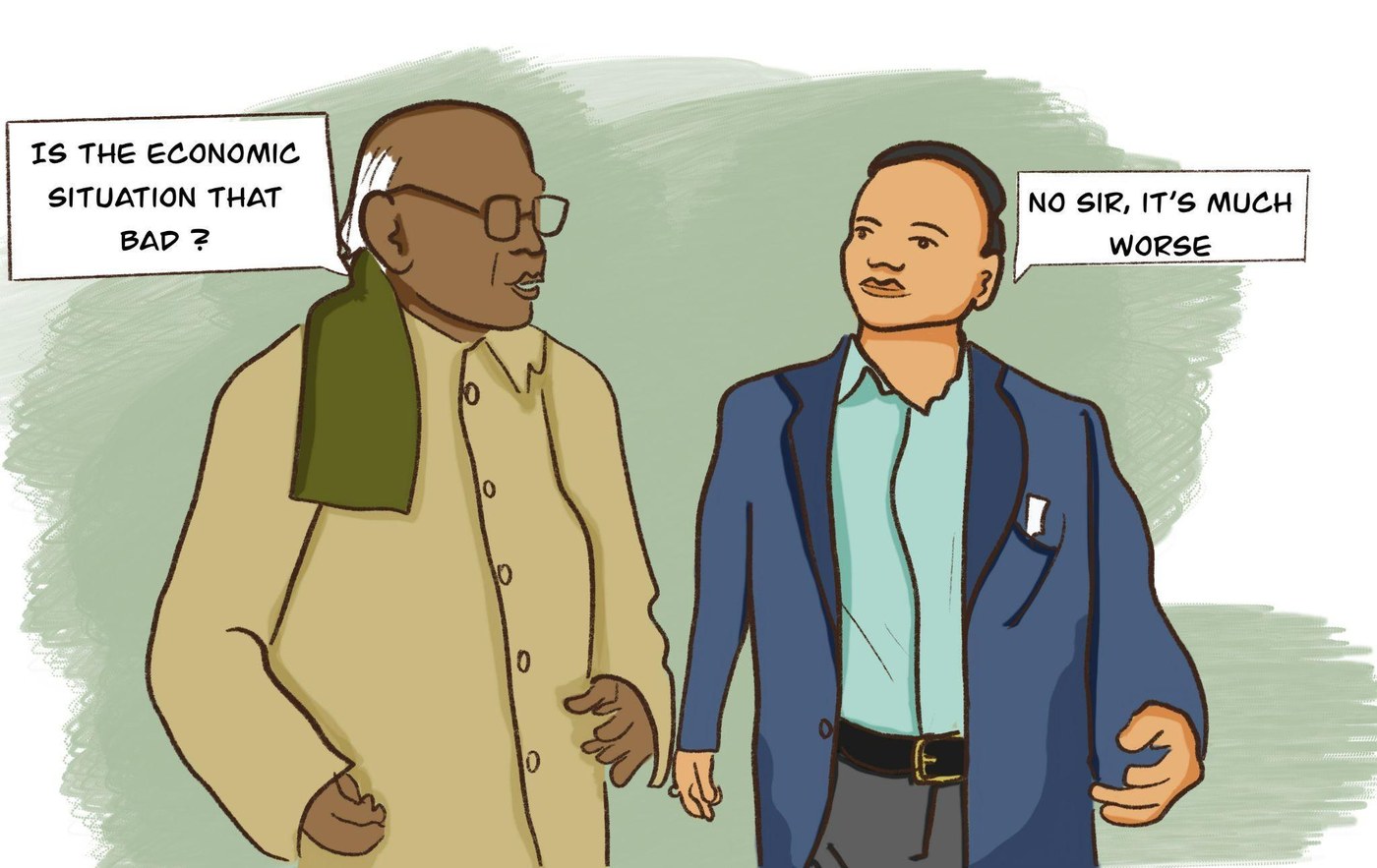
Born in Mumbai, India's financial and storytelling capital, though I spent my first years in the land of Eve, Jeddah, Saudi Arabia, where my father worked for over two decades. Two countries, one pattern: both poured their energies into religious pursuits and stayed poor; the moment each embraced capitalism (accidentally, in both cases), wealth rushed in, and I watched the transformation firsthand. I grew up a hard-core capitalist, with not much inclination towards God.
America arrives hunting for oil, and Saudi Arabia stumbles into wealth.
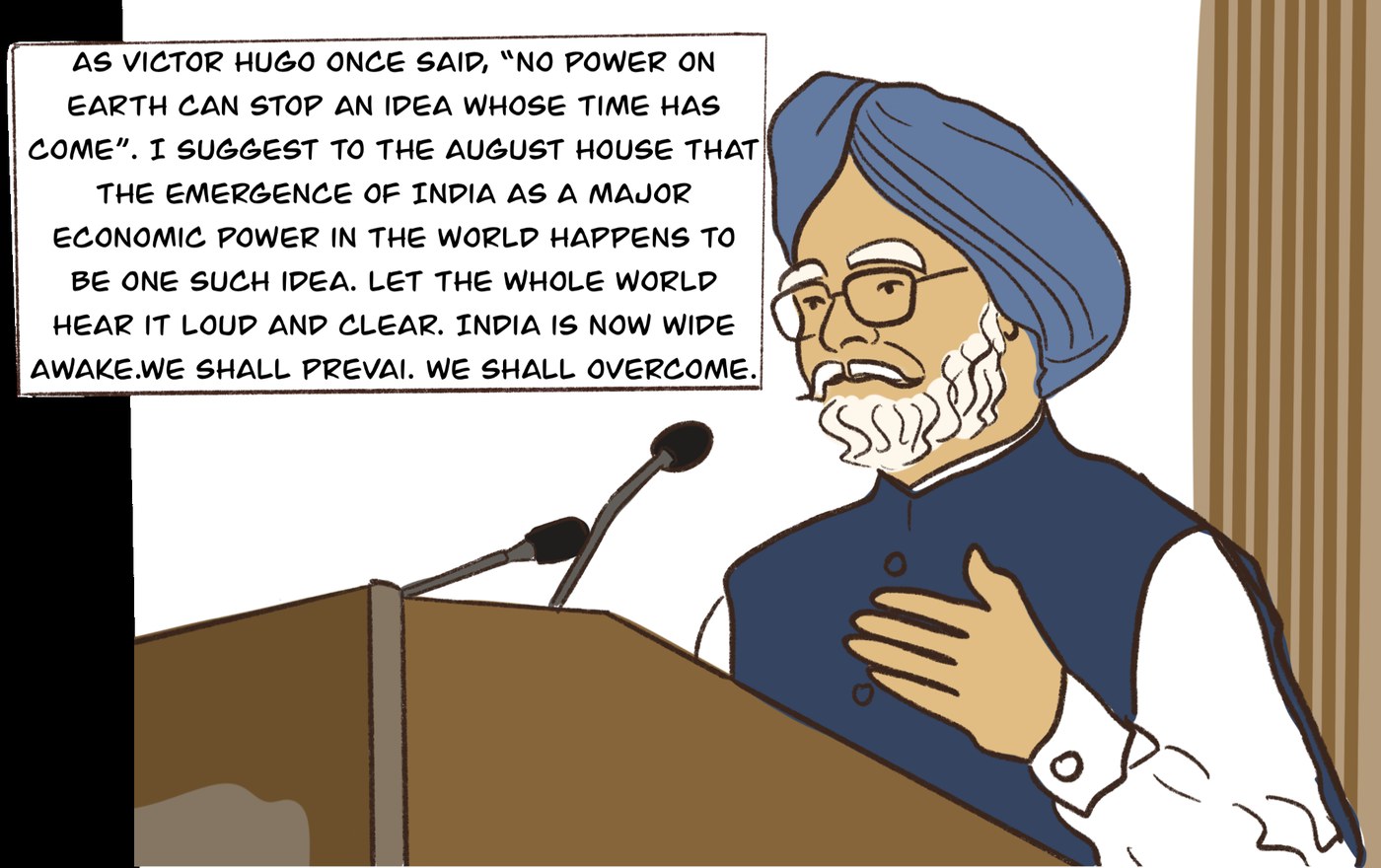
The duo of PM Narasimha Rao (left in the image) and Manmohan Singh (not present in the image) opened up the economy.Manmohan Singh delivers the historic speech in Parliament, opening up the economy.
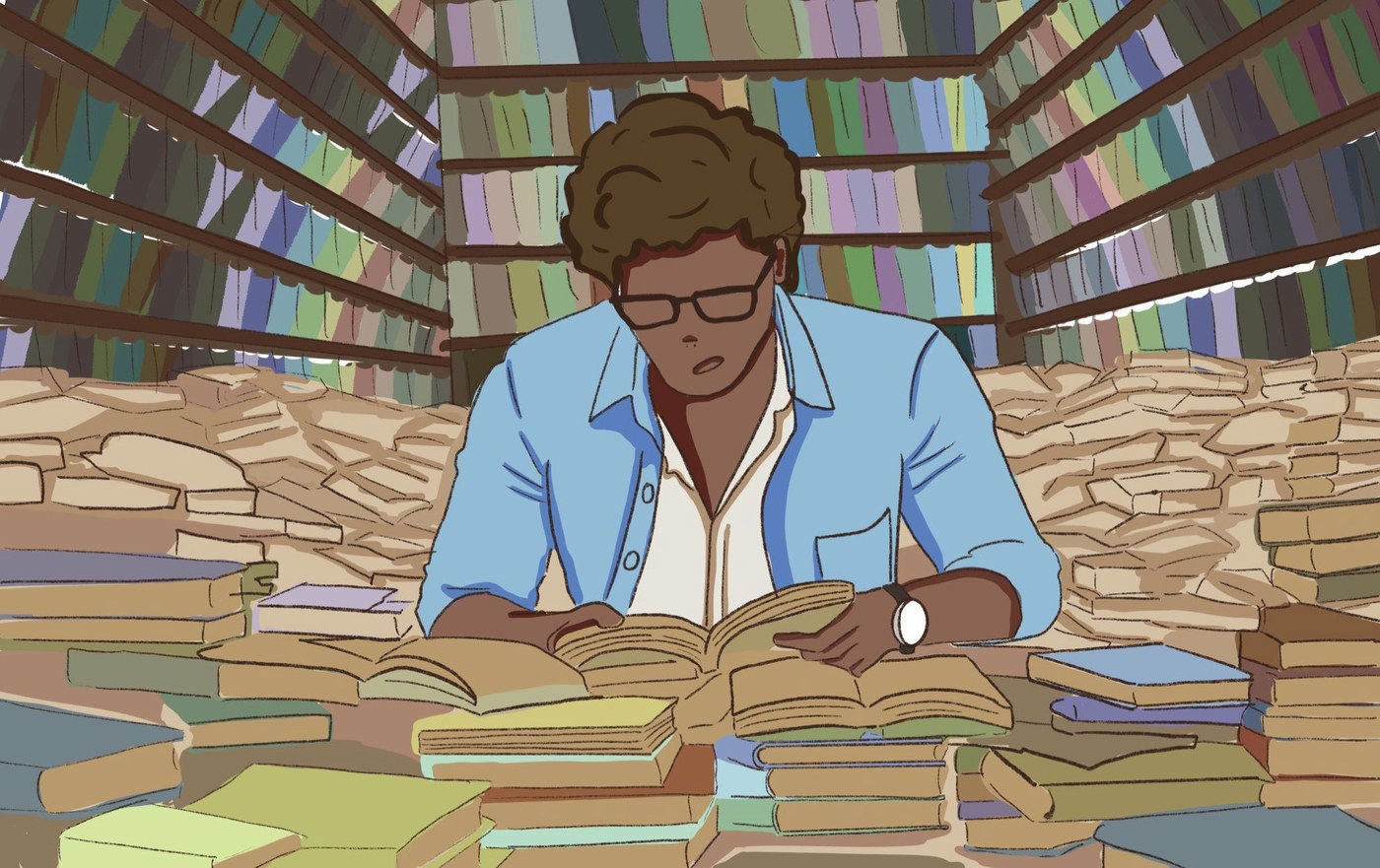
In Indian school, I made two “mistakes”: I was good at studies, and I was good at math. That led to a third, made as cluelessly as millions of Indian students make it: engineering school, where I promptly had a full-blown existential crisis. Until then I had lived by society's rules, and they were not entirely working for me. So I resorted to the only solution I found to be sensible at that point: I buried myself in books. Two autobiographies turned out to be pivotal: Richard Branson's Losing My Virginity and Mahatma Gandhi's My Experiments with Truth. They led me to my first solo adventure: Annanymous, my first start-up, founded while still on campus.
Where I went looking for myself, one autobiography at a time.
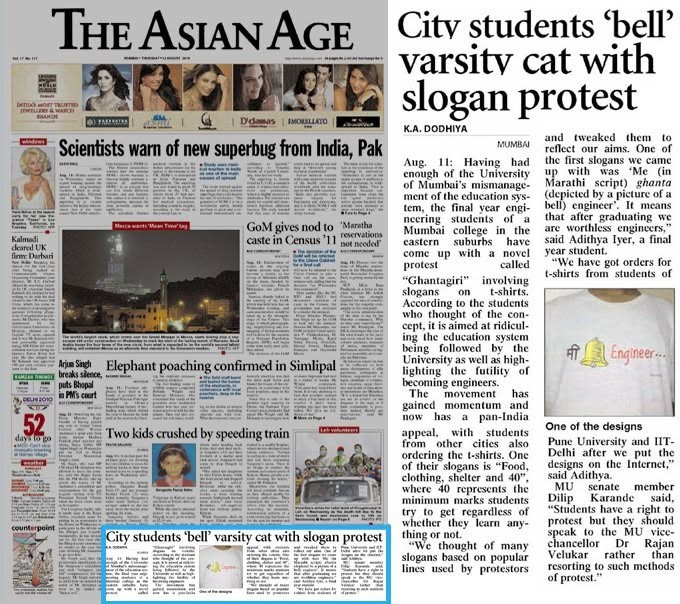
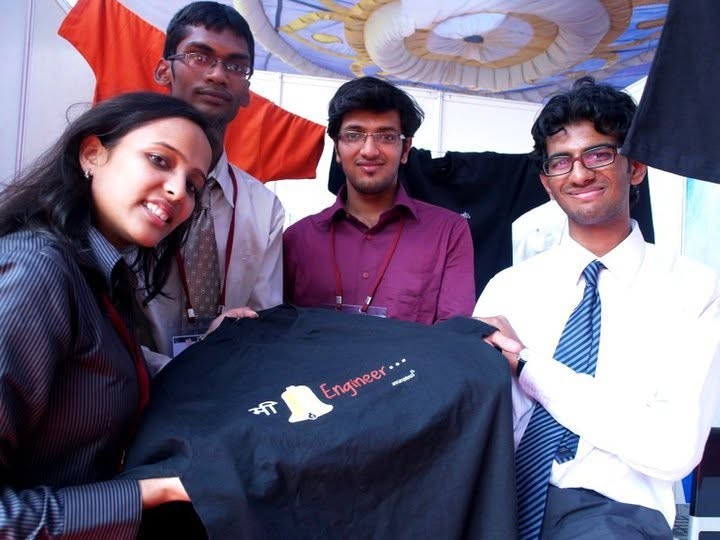
As an outlet for my own, and every student's, frustration with the education system, I founded Annanymous: a t-shirt brand, of, by and for engineers. What began as a campus venture spread across the city and then became a nationwide sensation. The National Entrepreneurship Network named me one of India's top 30 student entrepreneurs, and the media followed: a full two-page spread in the Wall Street Journal's Mint, a twenty-minute feature on NDTV, then India's leading news network, and more. As college ended, I wrapped it up by design. Another t-shirt brand was making no difference to the world, or to me.
Front-page coverage of the start-up and its mission, The Asian Age.Our most popular design at a showcase, later emulated by many brands.
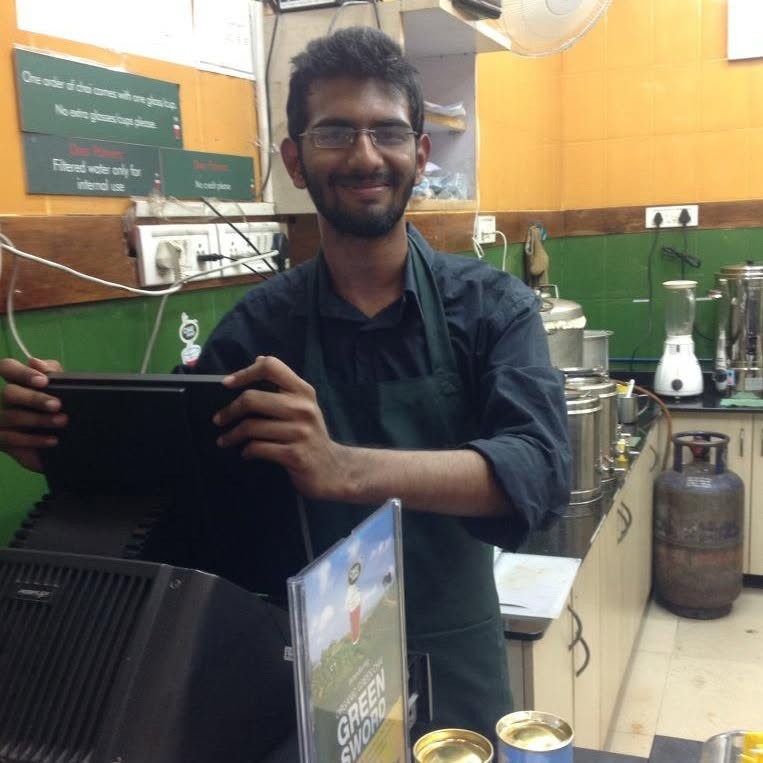
Refusing to sit for campus placements, I was figuring out my next move when a headline found me: “Harvard grad sells chai in Bangalore.” I had once heard that early in your career, your boss matters more than the company you keep, and here was a chance to work with a Harvard graduate and a room full of Ivy League colleagues, while selling India's most consumed beverage after water. As entrepreneur in residence, I ran sales, scaled the IT systems, built the customer loyalty program, and still stood at the counter selling chai. It was at that counter that the seeds of my next move were sown: every second customer in Bangalore, India's Silicon Valley, turned out to be a frustrated engineer. I did some digging and found high suicide rates among the city's IT engineers. That is when I set out on my next journey.
Post-script: my first day on the job turned out to be the day Steve Jobs died. By sheer accident, my last day at Chai Point, two years hence, was his second death anniversary.
At the counter of one of my stores.
I set out on a two-year backpacking trip across India to figure out how engineering had ended up becoming the country's fifth biggest religion. At the end of the journey, I lost a camera to theft in Delhi's crowded Chandni Chowk, but found a story to tell the world, and, more importantly, the seeds of a life mission: transforming the global education system. The book was funded by a record-breaking Kickstarter campaign, sold its OTT adaptation rights, and became a national bestseller.
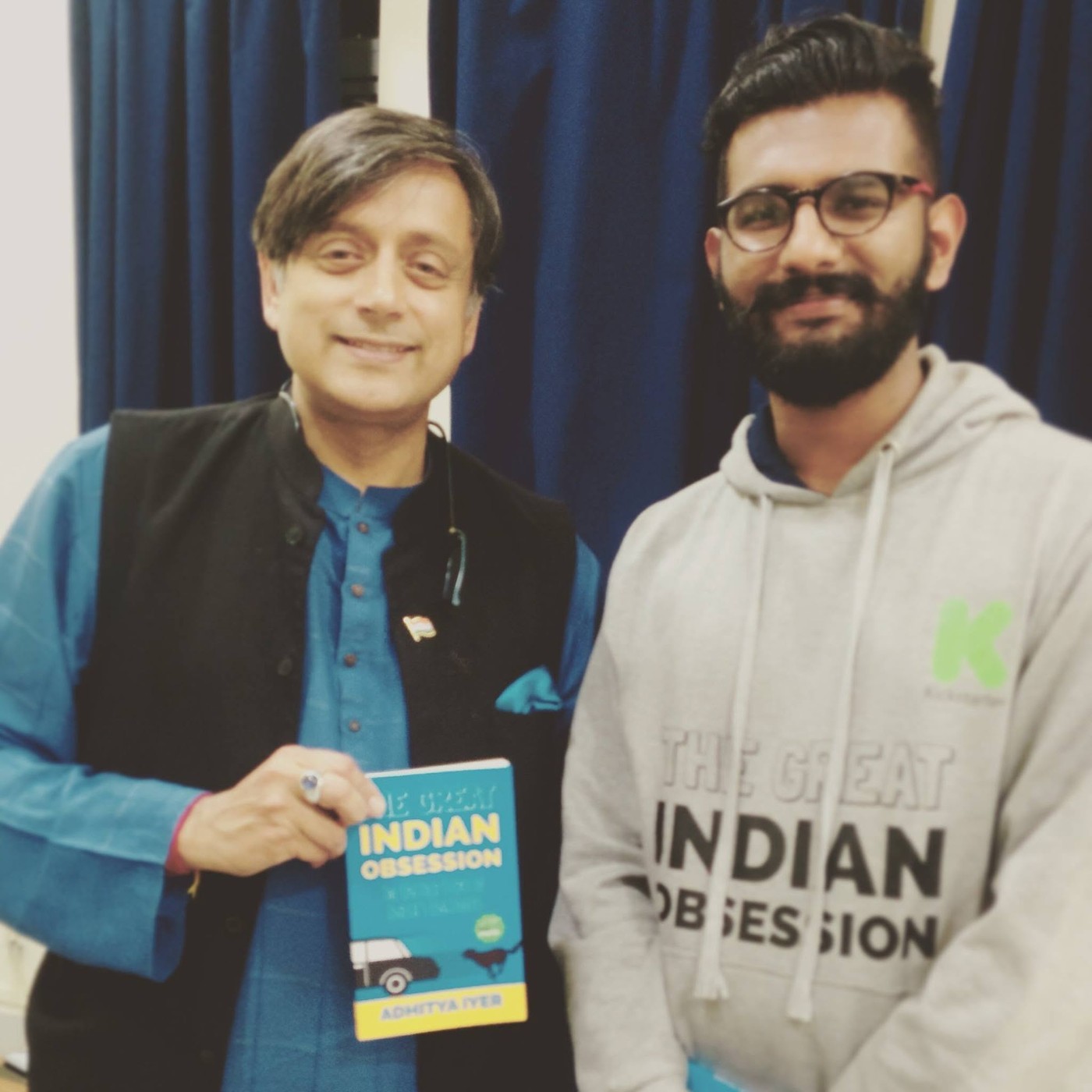
With MP and author Shashi Tharoor: “So you actually sold chai in Bangalore? You have a bright political future, young man,” he said, in a nod to another celebrated chaiwalah who had just become Prime Minister. He also made sure I autographed the book for him.
My TEDx talk, on my personal journey and the story of my first book, went viral to become one of the most watched talks on education globally, making me a global voice for education reform.
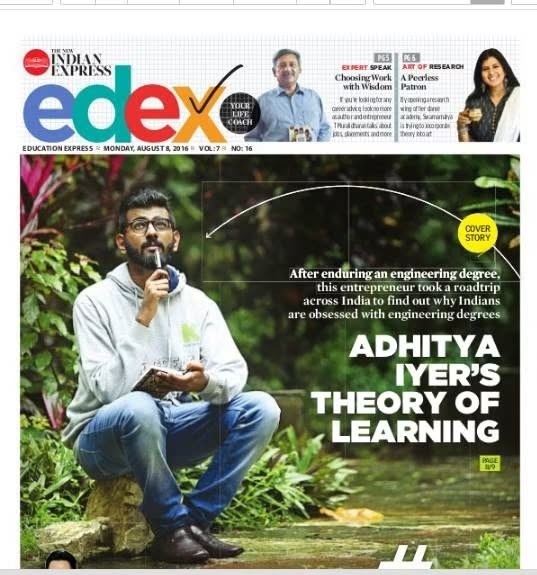
One of many media coverages of my efforts as an educationist.
A young student's suicidal email had turned my anger into a purpose, and the purpose demanded I understand life itself: an obsession that, over a series of strange events, eventually culminated in spending over four years in a monastery exploring one simple question. While there, I also led content strategy for the monastery's digital platforms across eight global languages, amassing over a billion monthly cumulative impressions. Who am I? The answer? That is for me to know, and you to find out. One thing I will say: those four years made me a better “actor.”
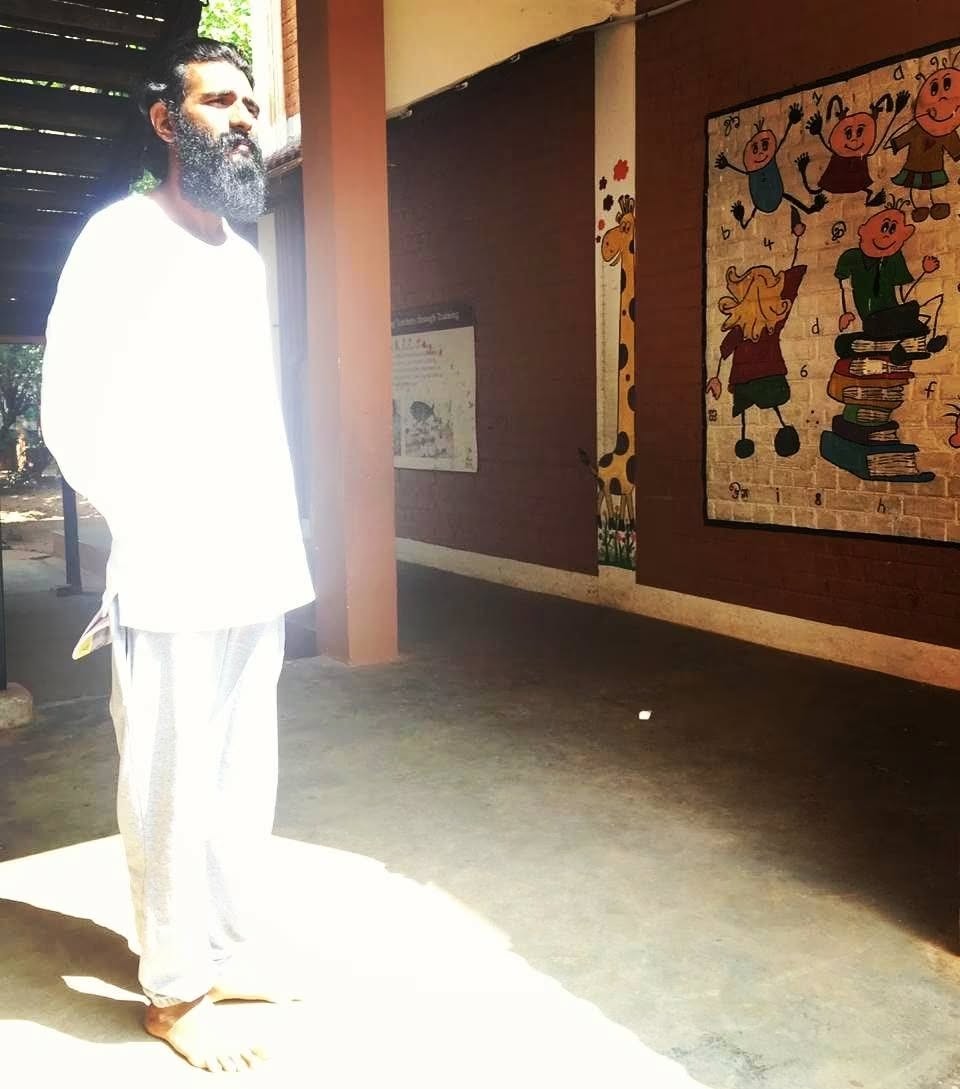
Four years in a monastery, asking one question.
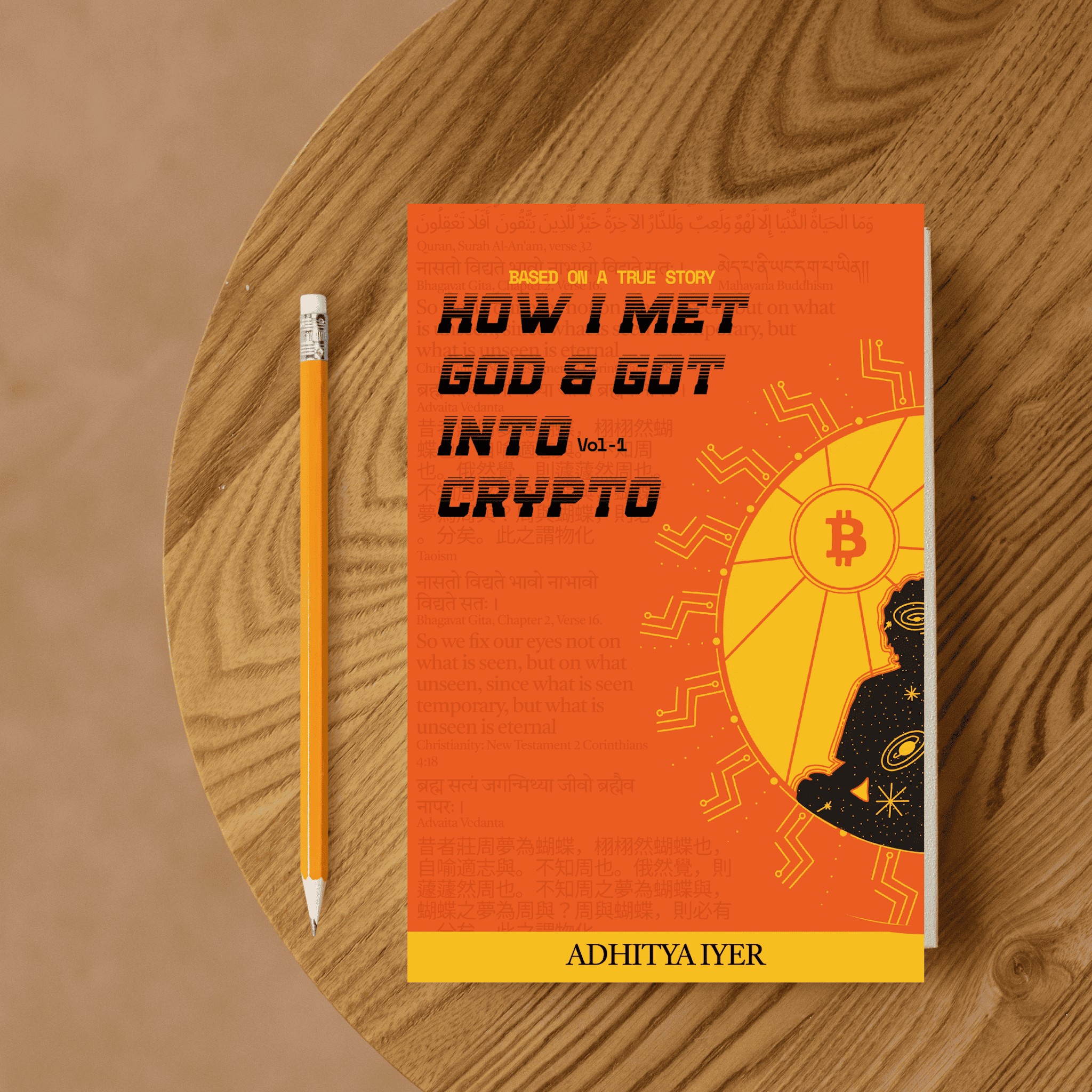
Fresh out of the monastery, with a new realization and ready to play out my role in the world, I chose the wild world of Web3 as my first pit stop. I led PR and marketing for a Singapore-based crypto start-up that was later acquired by Consensys. And I published my second book, this time a graphic novel: volume one of a two-part series titled How I Met God & Got Into Crypto.
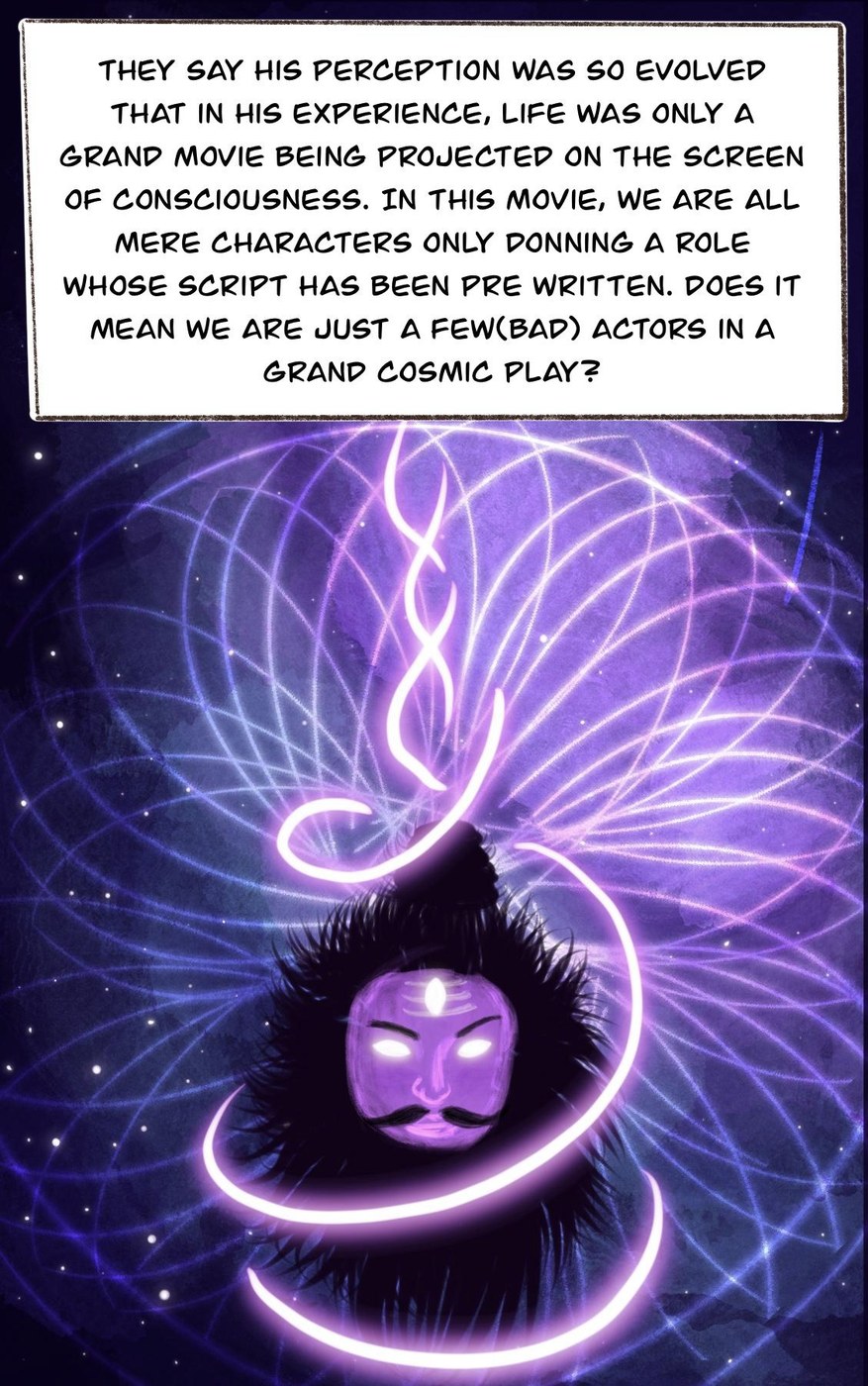
From the book: are we all just a few (bad) actors in a grand cosmic play?
I am building stories.fun: the human identity layer for the agentic era, a place where every person is a story that gets told properly, and where people make meaningful connections again. We are building it from Dubai, back on the Gulf, a full circle from where the story began.
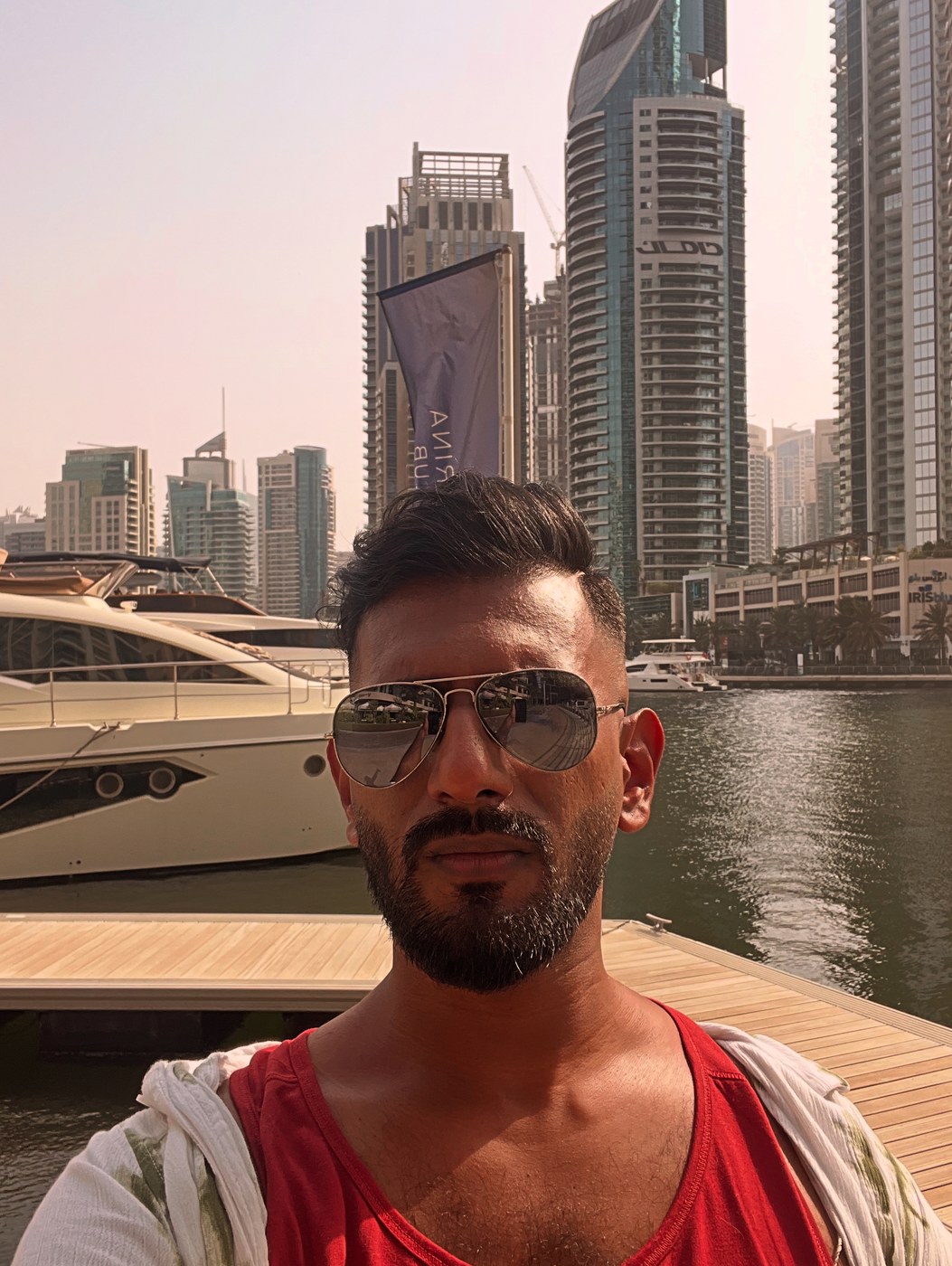
Building stories.fun from Dubai, back on the Gulf.
The Work
What I make happen.
Now Building · Dubai
stories.fun
Everyone has a story worth telling properly; almost nobody gets the chance to tell it. stories.fun fixes that: a Guardian agent interviews you across the eight dimensions of a life and turns the answers into a profile people actually want to read, watch, and hear. In short: we are building the human identity layer for the agentic era, and helping people make meaningful connections again.
For years I chased a world driven by capitalistic pursuits, until I found myself at the doorstep of a mystical realm. What followed was a journey through triumph, disillusionment, and profound self-discovery that led me, of all places, into the revolutionary yet misunderstood world of cryptocurrency after years of sharing space with mysterious humans. If you are a seeker of truth, torn between the material and the spiritual, or simply curious about life, this book will leave you with one question: who are you?
One of the most widely watched talks on education in the world. Since then I've spoken at global platforms like UNESCO-IRCAI, and at the invite of Confindustria, Italy, in the presence of the Education Minister of Italy, among others. Education reform still remains an unfinished business for me.
The first book: the story of what might be India's fifth biggest religion, engineering. It became the highest-crowdfunded book in India (6th highest in Asia at the time, backed on Kickstarter), and its rights were picked up for OTT adaptation by one of India's leading digital production houses: TVF, the makers of Panchayat, Gullak, and Aspirants.
The purusharthas: the Indian framework for a fulfilled life. I run mine and my company on them. In order. Mostly.
01
Dharma
Play the role, not yourself.
Who I am is not the part I was cast in this cosmic drama. But while the play runs, I play my role to perfection, because to everyone in the audience, the role is the person.
02
Artha
Pay for the production.
We all have to hustle. Economic sustainability is not a betrayal of the drama; it is the production budget. No artha, no theatre.
03
Kama
Want things, out loud.
Let desire find full expression. A life edited for respectability reads like a profile with no adjectives, and nobody falls in love with one of those.
04
Moksha
Exit the theatre.
Only once the first three are handled do you get to walk out and remember who you really are.
In the Media
NDTVMint · The Wall Street JournalYourStoryDeccan ChronicleThe Asian AgeThe New Indian ExpressScoopWhoopBuzzFeedNDTVMint · The Wall Street JournalYourStoryDeccan ChronicleThe Asian AgeThe New Indian ExpressScoopWhoopBuzzFeed